
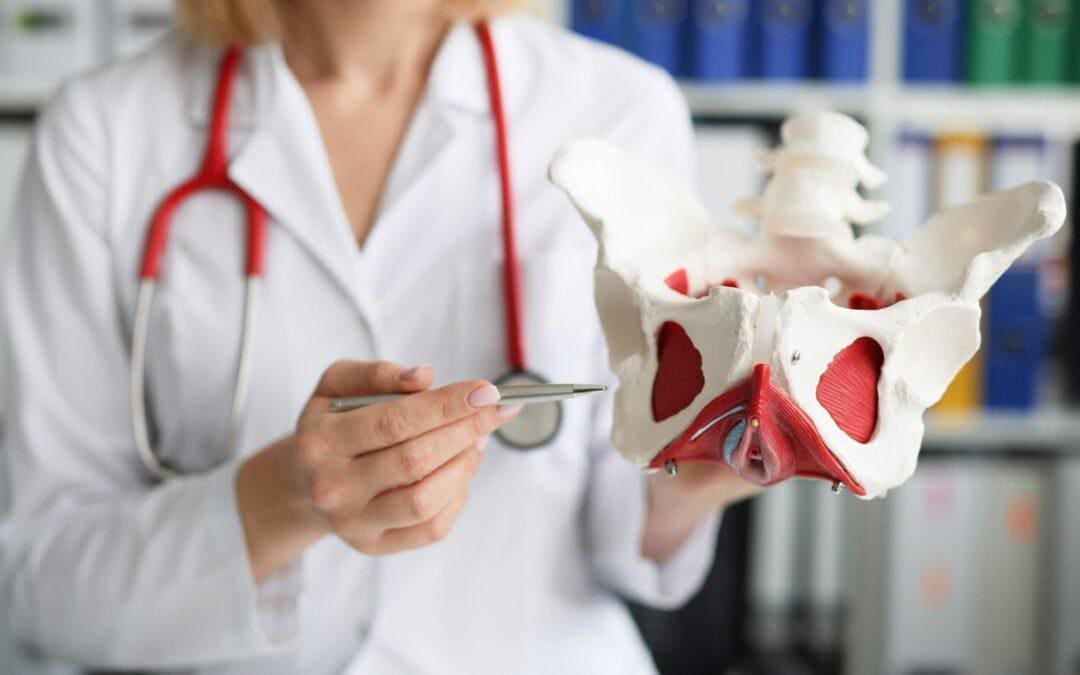
The pelvic floor is a set of anatomical structures that includes ligaments, fascia and muscles, which are responsible for supporting the pelvic organs; facilitate the control of urine and fecal matter, allowing proper continence and proper emptying of the bladder and rectum; In addition, the muscles of the perineum or pelvic floor have an important role in the perception of arousal and orgasm; therefore, when there is a dysfunction in this area, one or more of these functions may be affected, generating problems such as the ones I will mention below:
- Urinary incontinence: It is characterized by the involuntary loss of urine in small (drops) or large (stream) amounts. It is more common in older people and postmenopausal women, although it also affects men and women of all ages, including children. It may occur with exertion such as coughing, laughing, sneezing, sports or physical activity and may also be associated with an urgent or compelling desire to go to the bathroom to urinate.
- Anal incontinence: It occurs when the evacuation of feces or expulsion of gases is not adequately controlled. It may manifest with occasional leaks or absolute inability to retain fecal matter or gases. One of the most frequent subtypes is fecal soiling or anal soiling, which consists of difficulty in keeping the anus completely clean, mainly after defecation. Like urinary incontinence, it can occur in women, men and children.
- Prolapse: Occurs when the organs of the pelvic area descend from their ideal position and fall into the vagina, out of the vagina or also out of the anal area. At the genital level, prolapse of the bladder, urethra, uterus, rectum and/or small intestine can occur, and at the anal level, rectal prolapse alone can occur. It is a pathology that can affect both women and men, the latter being able to present only rectal prolapse.
- Sexual dysfunction: Includes pain with intercourse (dyspareunia, vulvodynia, etc.), anorgasmia, premature ejaculation or erectile dysfunction, therefore, it occurs in both women and men.
- Constipation: It can be caused by incoordination between the abdominal muscles and the external anal sphincter at the time of stool evacuation (defecatory dyssynergia), which can develop into functional constipation, manifesting with symptoms such as defecatory effort, sensation of incomplete evacuation, requirement of manual maneuvers to remove stool and sometimes fecal soiling (which was explained in fecal incontinence) and fecal incontinence due to overflow.
- Urinary retention: It may be caused by incoordination between the bladder and pelvic floor muscles at the time of urination (voiding dysfunction or uncoordinated urination), although it may also be due to difficulty of the bladder to contract and expel urine completely and/or expel it over a longer period of time (detrusor hypoactivity).
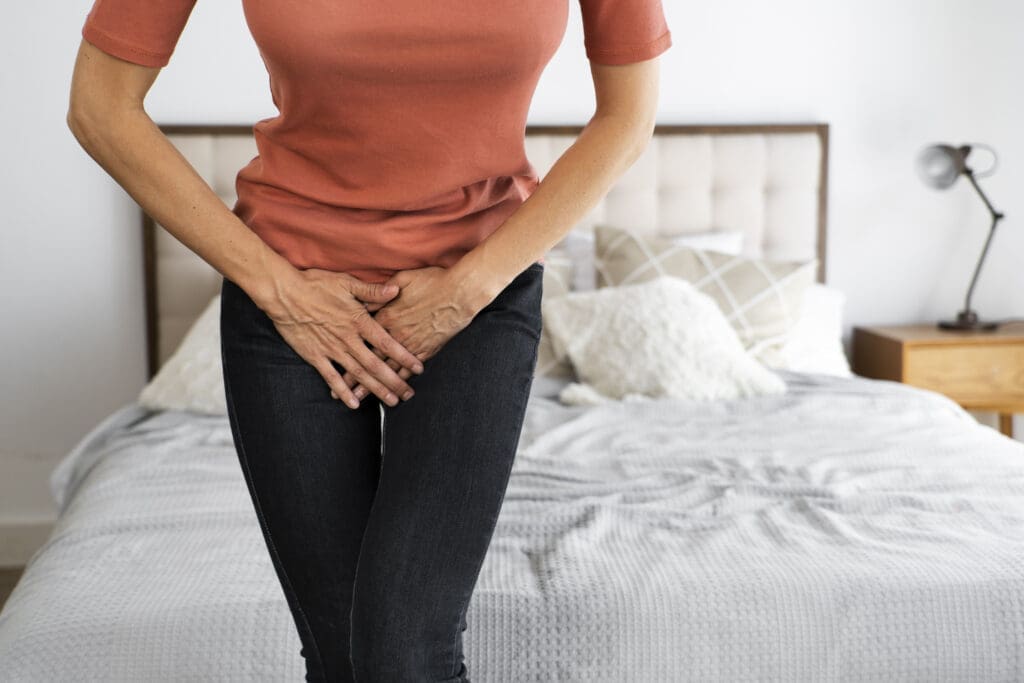
What if I do KEGEL exercises or use Chinese balls and don't go to therapy? It is important to clarify that in these therapies KEGEL exercises are no longer used specifically, since these are indicated only for strengthening the pelvic floor muscles and sometimes what your muscles need is not to strengthen but to relax, as in the case of pelvic and perineal pain, defecatory dyssynergies, uncoordinated urination, among others. Chinese balls or KEGEL balls are also not the best option since they are usually weighted, therefore they are used only for muscle strengthening. So, If I don't have any of these symptoms, can I still do the KEGEL exercises or use the Chinese balls? The answer is a resounding no, because sometimes there is incoordination in the perineal muscles or latent trigger points (they do not produce spontaneous pain in the muscle, only when touched) and by performing strengthening exercises with or without weights, the only thing that will be obtained is worsening of symptoms and probable appearance of pelvic or perineal pain.

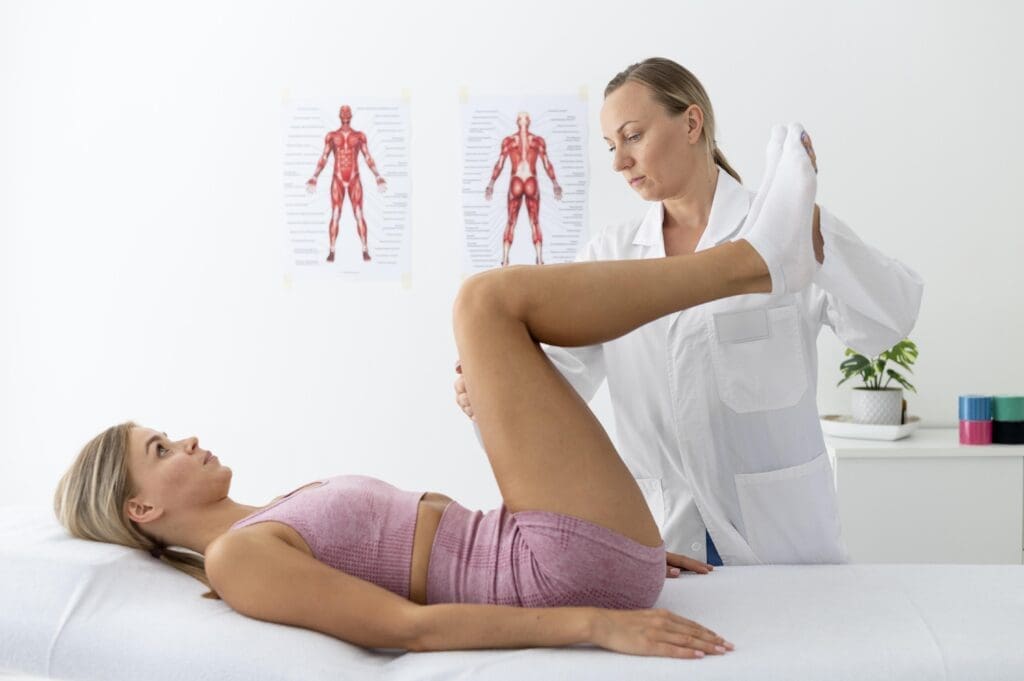 Now that you know what the most common pelvic dysfunctions are, we will tell you the main risk factors that can cause these problems.
- Pregnancy and postpartum (vaginal delivery or cesarean section)
- Menopause
- Ageing
- Athletes who practice impact sports, exertion or exercises that increase intra-abdominal pressure (traditional abdominal crunches).
- Obesity or overweight
- Use of girdles
- Constipation
- Bad habits such as holding the urge to urinate or to poop
Recent Comments